Affiliate marketing is fiercely competitive. One of the most effective ways to improve your website’s SEO, attract organic traffic, and boost conversions is through topic clusters.
Properly structured topic clusters not only help search engines understand your website better, but they also improve user experience by making content easier to navigate.
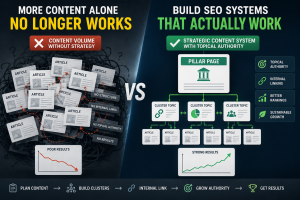
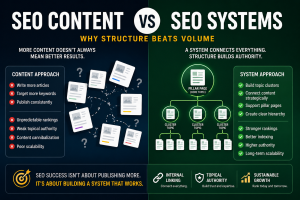
More importantly, topic clusters are part of a broader SEO system that determines whether your content ranks consistently or not.
In this guide, we’ll break down everything you need to know about topic clusters for affiliate websites—from the fundamentals to actionable strategies that increase rankings and sales.
Table of Contents
What Are Topic Clusters?
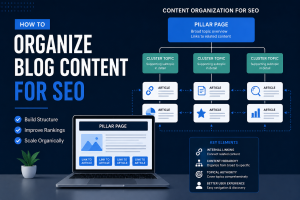
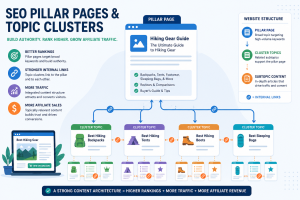
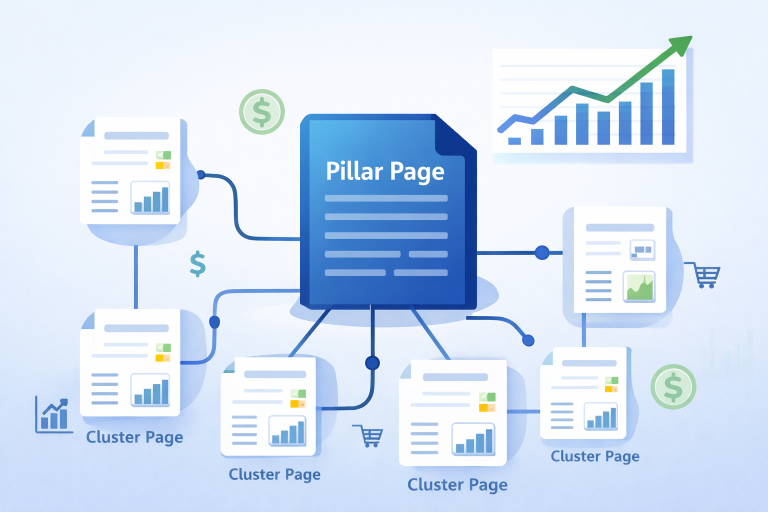
A topic cluster is a content strategy where related pieces of content are grouped around a single pillar page.
The pillar page provides a comprehensive overview of a core topic, while the surrounding cluster pages dive into subtopics, linking back to the pillar page.
Think of it like a wheel:
- Pillar Page (Center): The broad topic
- Cluster Pages (Spokes): Detailed subtopics that support the pillar
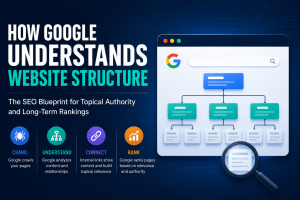
This structure signals to Google that your website has authority on a subject, improving your chances of ranking for both main and long-tail keywords.
Why Topic Clusters Are Vital for Affiliate Websites
1. Improves SEO and Rankings
Search engines prioritize websites with organized, high-quality content.
When you link cluster pages to a pillar page, you:
- Help Google understand your website’s structure
- Increase the chances of ranking for multiple keywords
- Target both broad and long-tail keywords efficiently
This becomes even more powerful when combined with a strong internal linking strategy
2. Enhances User Experience
Visitors can navigate your content logically, spending more time on your website.
A clear cluster structure reduces bounce rates and increases the likelihood of clicks on affiliate links.
3. Supports Authority and Trust
Comprehensive pillar pages backed by detailed cluster content demonstrate expertise.
This is how you build topical authority
For affiliate marketers, this translates into higher conversion rates, as readers trust your recommendations.
Step-by-Step Guide to Creating Topic Clusters
Step 1: Identify Your Core Topics
Start by listing the main subjects relevant to your affiliate niche.
Choose topics that:
- Are relevant to your audience
- Have search demand
- Can be monetized with affiliate products
Step 2: Conduct Keyword Research
Use tools like Ahrefs or SEMrush to find:
- Broad keywords for pillar pages
- Long-tail keywords for cluster pages
Step 3: Create the Pillar Page
Your pillar page should:
- Cover the topic comprehensively
- Include your main keyword
- Link naturally to cluster pages
A well-built pillar page is not just content — it’s part of a structured SEO strategy
Step 4: Develop Cluster Pages
Cluster pages should:
- Target specific long-tail keywords
- Provide actionable content
- Link back to the pillar page
Step 5: Internal Linking Structure
Internal linking is the backbone of topic clusters.
- Every cluster page should link to the pillar page
- Pillar pages should link back to clusters
If this part is missing, your entire system weakens.
👉 This is where most websites fail — not content, but structure.
🔵 Most Sites Have This Problem — Do You?
If you’re not sure whether your content is properly structured, it might be worth reviewing your SEO system.
Step 6: Optimize for User Intent
Understand why visitors are searching:
- Buying intent → product comparisons
- Informational → guides and tutorials
Optimizing for intent increases both engagement and conversions.
Step 7: Monitor and Update
Track:
- Organic traffic
- Time on page
- Conversions
Update regularly to stay competitive.
Examples of Topic Cluster Ideas for Affiliate Websites
Instead of random articles, build structured clusters like:
- Best Laptops for Students
→ Affordable laptops
→ Lightweight laptops
→ Laptop deals - Smart Home Devices
→ Smart lighting
→ Thermostats
→ Security cameras
Common Mistakes to Avoid
- Not linking properly
- Creating random content without structure
- Ignoring user intent
- Not updating content
👉 Most websites don’t fail because of bad content
👉 They fail because of missing structure
Tools to Streamline Topic Cluster Creation
Conclusion
Topic clusters are a game-changer for affiliate websites.
They improve SEO, boost engagement, and build authority by connecting your content into a structured system.
If your content isn’t ranking, the issue is rarely the content itself.
👉 It’s how everything is structured and connected.
🚀 Turn Your Content Into a Ranking System
Want to Fix Your SEO Structure?
If your content isn’t performing the way it should, the problem is usually not what you’re writing — but how your content is structured.
I offer a focused SEO Structure Audit where I identify:
- gaps in your content system
- internal linking issues
- missed ranking opportunities
👉 Get Your SEO Structure Audit